



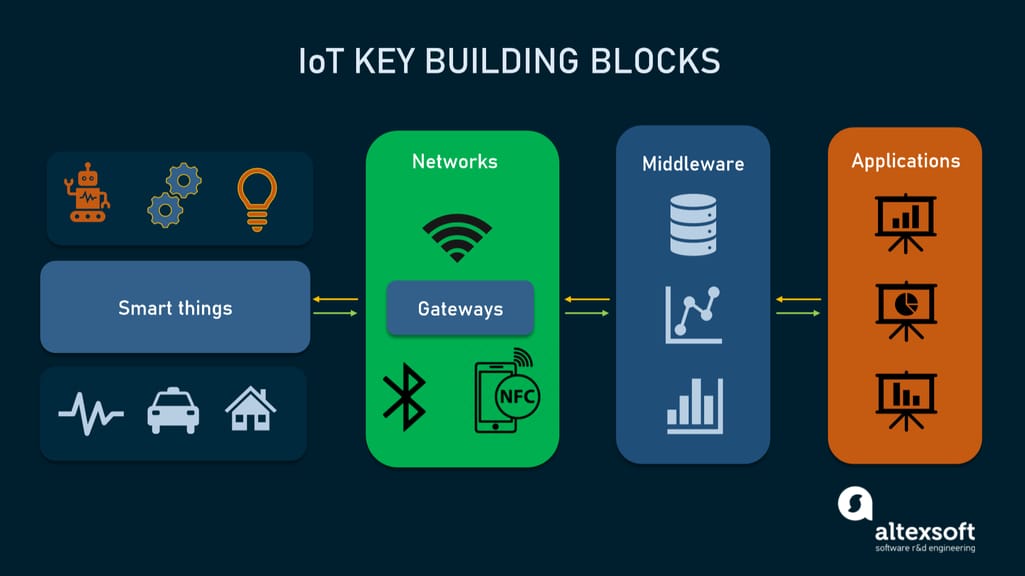

The proliferation of IoT devices across industrial, commercial, and consumer sectors is redefining battery requirements. Unlike traditional applications, IoT systems demand highly specialized battery solutions tailored to specific operating conditions and device constraints.
Typical IoT applications—such as remote sensors, asset trackers, and wireless monitoring units—require batteries that combine compact size, extended operational life, and ultra-low power consumption. In many cases, standard battery formats are insufficient, necessitating a custom lithium battery pack design.
Key engineering challenges include:
- Designing for ultra-low standby current to maximize operational lifetime
- Managing intermittent high pulse loads in communication modules
- Adapting battery geometry to irregular device enclosures
- Ensuring long-term reliability in unattended deployments
Furthermore, IoT deployments often operate in distributed environments, making maintenance and replacement costly. As a result, battery systems must be optimized for maximum lifespan and stability, often exceeding several years of continuous operation.
In IoT applications, the battery is not a standard component but a critical enabler of system performance, requiring deep customization at both electrical and mechanical levels.

